Resources

Lending

Credit underwriting, scorecards, lending policy and BNPL decisions

How many bads does a credit model need?

Three hundred bads is not a pass mark for a scorecard. The answer depends on the model's expected Gini, the parameters the build will try, and how precisely you need to know the bad rate behind pricing and provisioning.
6 min read

When to Set Up Credit Scoring in Lending

New lenders often reach for a scorecard too early. That usually creates weak approvals, false rejects, and higher acquisition cost before the model has enough data to help. In market entry, antifraud comes first. Credit scoring matters later, when you have enough performance data to separate risk, reduce hard rules, and raise approval rates without weakening the book.

7 min read

How to Automate Factoring Approvals and Keep Control

Factoring approvals need 2 separate decisions. The first is whether the small company and the invoice are real. The second is whether the big company, the debtor, and the exposure fit your risk policy.

9 min read

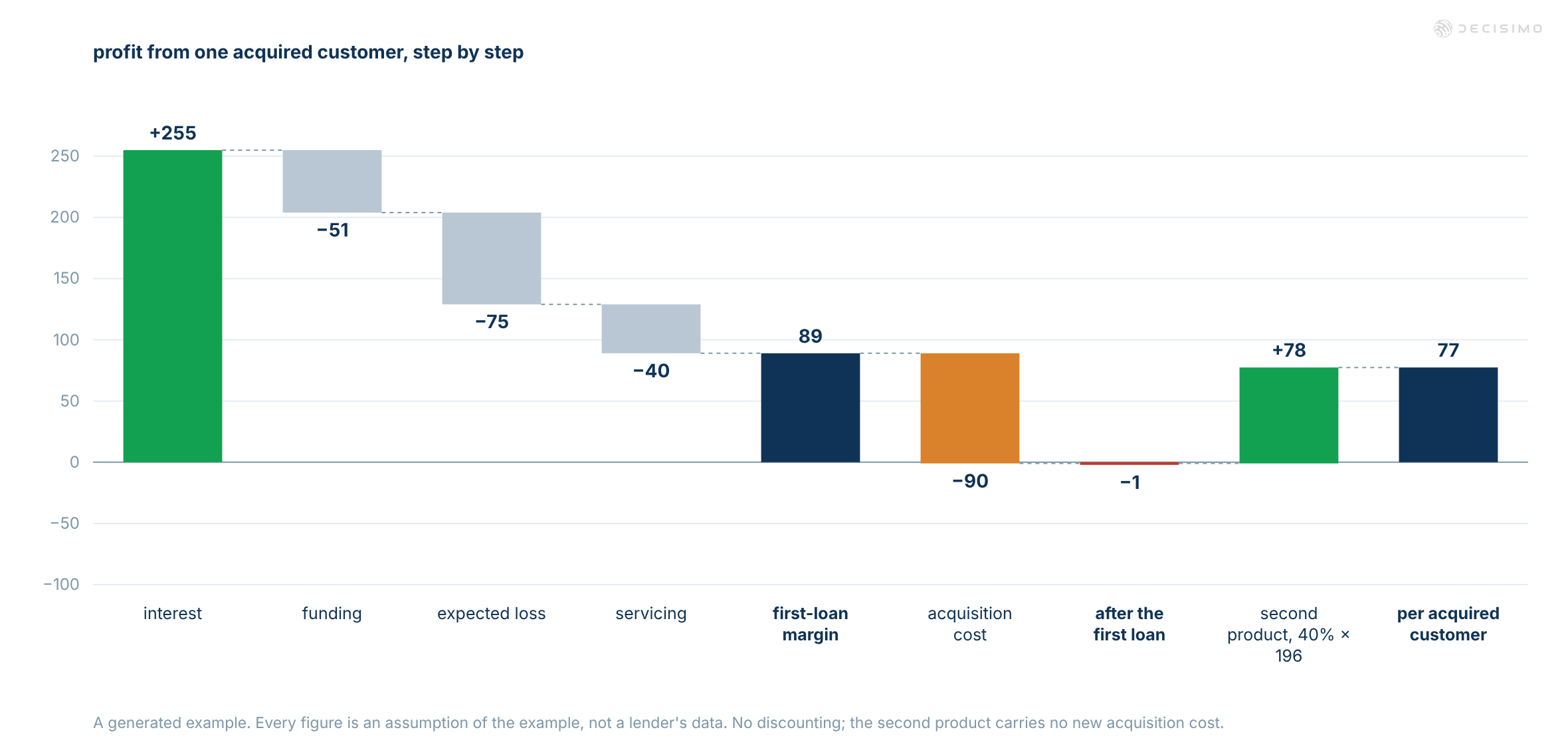
Why BNPL Changes the Economics of Consumer Finance

Consumer finance has always depended on a simple idea: lend against something that creates value or preserves access to value. Buy now, pay later changes that model. It combines parts of installment lending, revolving credit, and merchant finance, but it also changes the risk profile, the economics, and the operating model.This article looks at consumer finance through the lens of business model design, credit risk, fraud risk, portfolio risk, operational risk, and return on capital.

10 min read

Merchant Risk Evaluation for BNPL and Consumer Lending

Merchants sit at the front line of fraud in BNPL and point-of-sale financing. A scalable merchant risk process needs to separate what can be automated from what still needs human review, then keep monitoring after approval.

8 min read

How to Start a Consumer Lending or BNPL Business

Starting a consumer lending or BNPL business is not about launching a loan product and hoping demand appears. It is about building a licensing, funding, decisioning, servicing, and collections operation that can scale and keep control of risk. This guide breaks down the core business models, operating flow, technology stack, and decision logic you need to run it.

13 min read

Mystery Shopping in Lending: How to Test Third-Party Sales Channels

Mystery shopping is one of the few ways to see how lending is really sold outside your office. It shows whether partners explain terms correctly, follow consumer finance rules, and present your brand and product as intended.That matters in BNPL, car leasing, and any model that uses third-party agents. The risk is not only poor conversion. It is regulatory exposure, inconsistent sales behavior, and approval-chasing nudges that change the customer journey.

8 min read

How to Monitor Scorecards and Catch the Signals That Matter

A scorecard can look healthy on a dashboard and still drift in ways that change decisions. The key is to monitor more than one metric: shifts, attribute stability, bin stability, predictive power, rank order, and the behavior around cutoffs.

7 min read

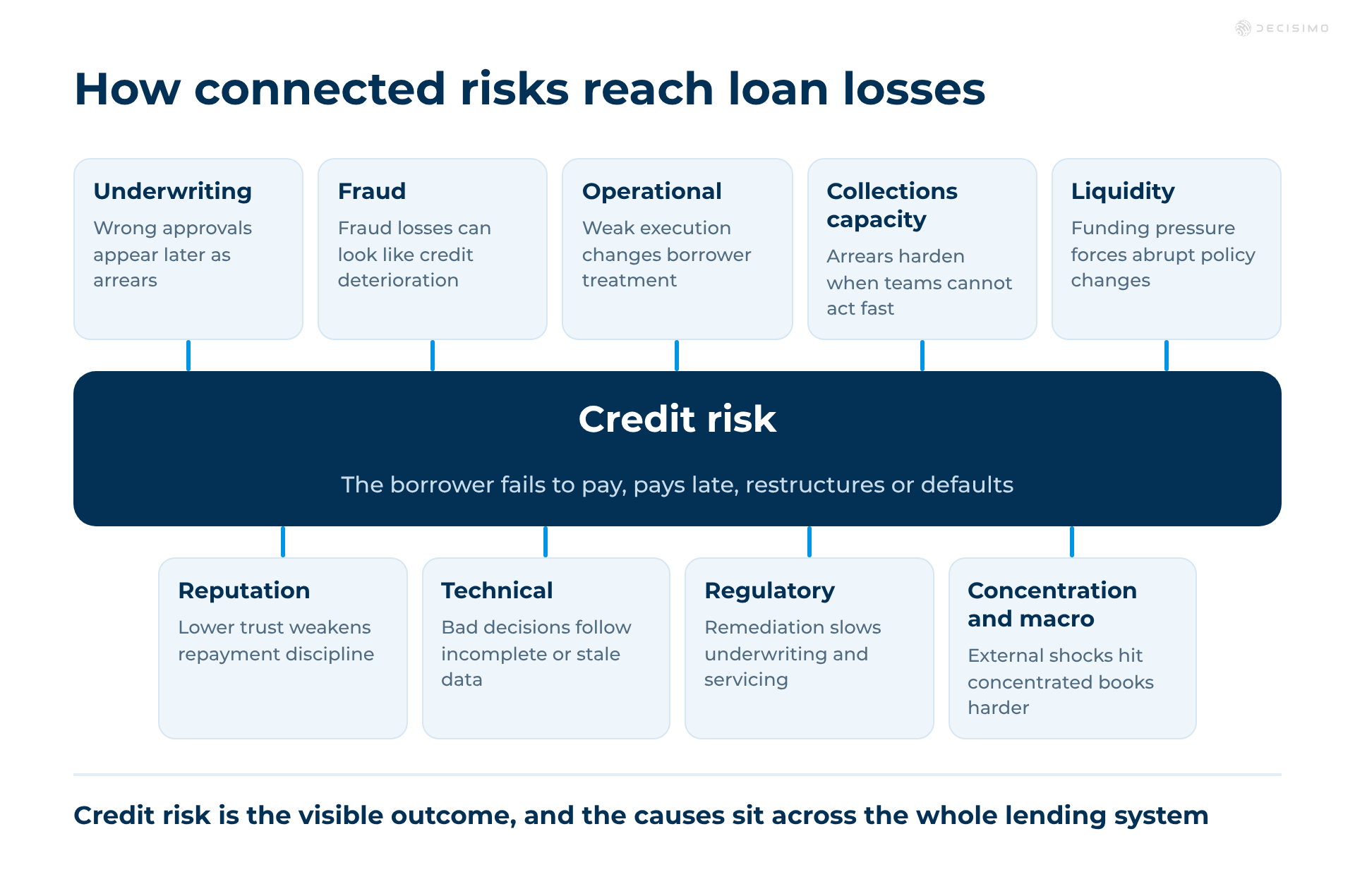
A Practical Map of Credit Risk: What Actually Affects Loan Performance

Credit risk is not just the chance that a borrower will miss a payment. In practice, loan performance depends on a wider system of risks that shape origination quality, collections, funding stability, compliance, and day-to-day operations. This article maps the main risk categories around credit risk and shows how they interact in lending businesses.

13 min read

Metrics to Monitor in Lending and Credit Underwriting

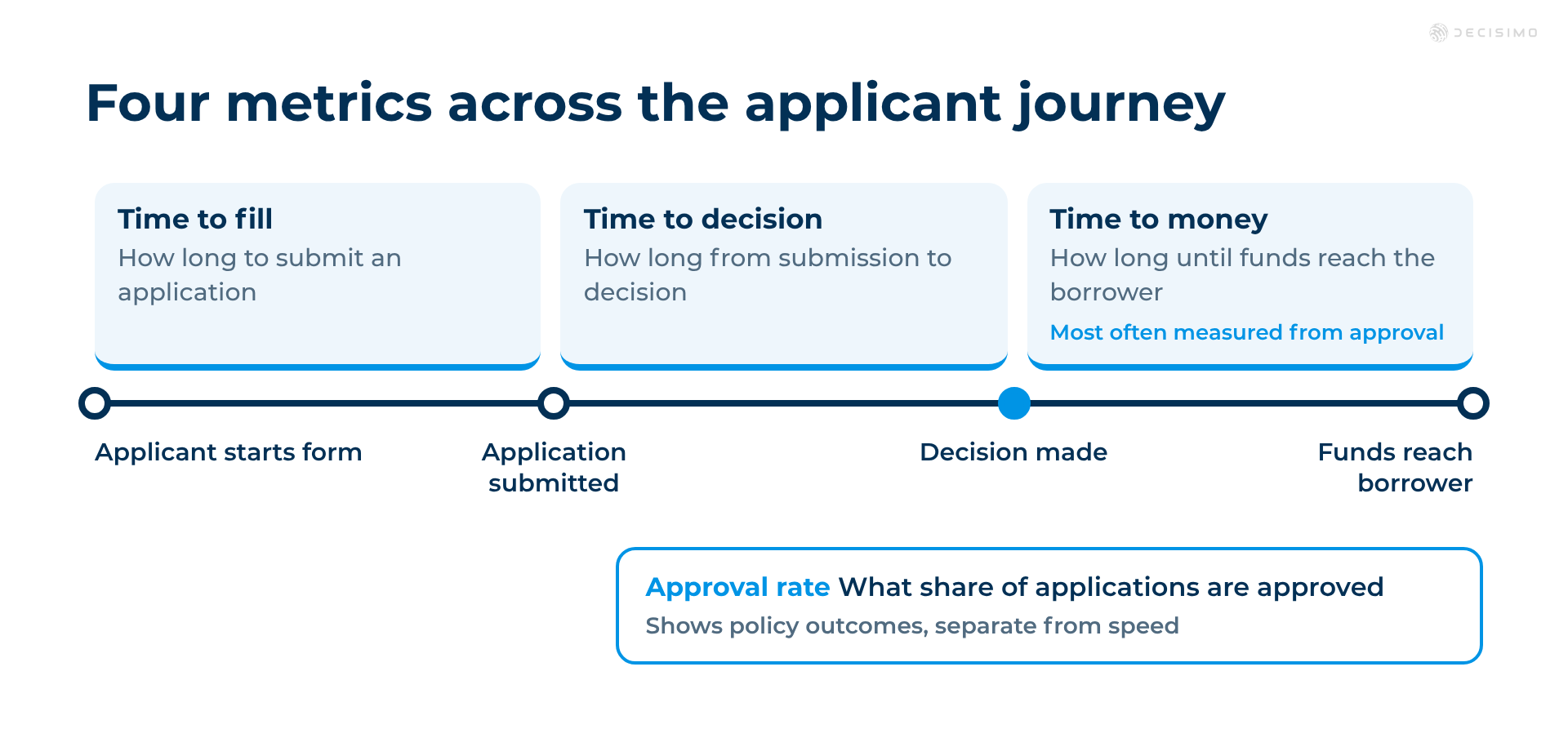
Speed and conversion metrics shape how well a lender performs in underwriting. If you do not track the right ones, you can miss friction in the application flow, delay funding, and lose good customers before they reach a decision. This article explains four core underwriting metrics, how they differ, and why improving them gives lenders a real competitive edge.

9 min read