Resources

Fraud

Loan and payment fraud checks, investigations, device identification and anti-fraud operations

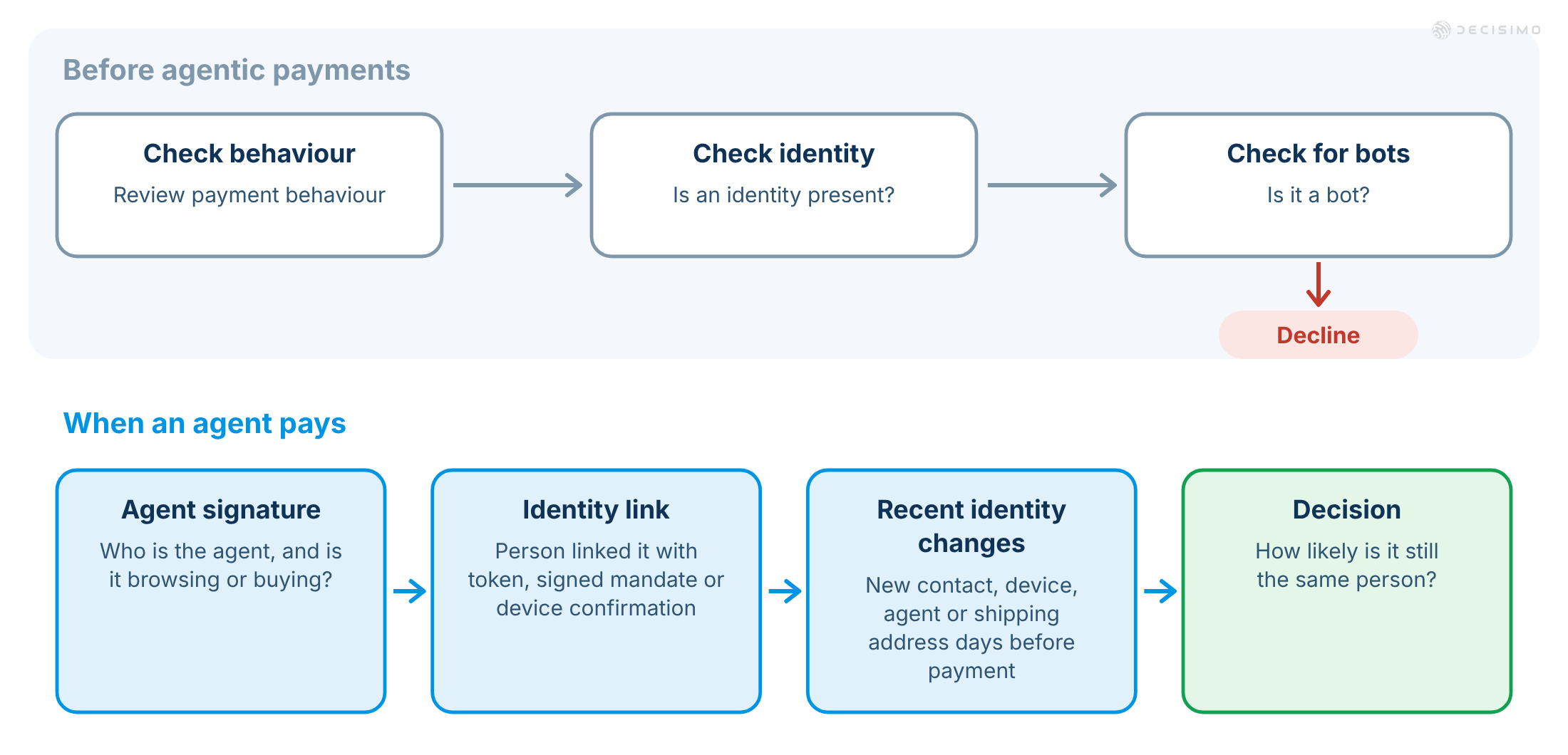
Payment fraud checks for shopping agents

Bot rules built to catch malicious automation can also flag legitimate shopping agents that share infrastructure. The key question is whether the agent is recognised and whether the customer acknowledged the identity it uses.
6 min read

Your round-trip check produces false matches when amounts differ

A small allowance for fees can turn a round-trip check into a source of false matches. On synthetic SME bank statements, a 0.5% allowance produced 87 false matches on an applicant and 84 on a clean company when split payments could be combined.

7 min read

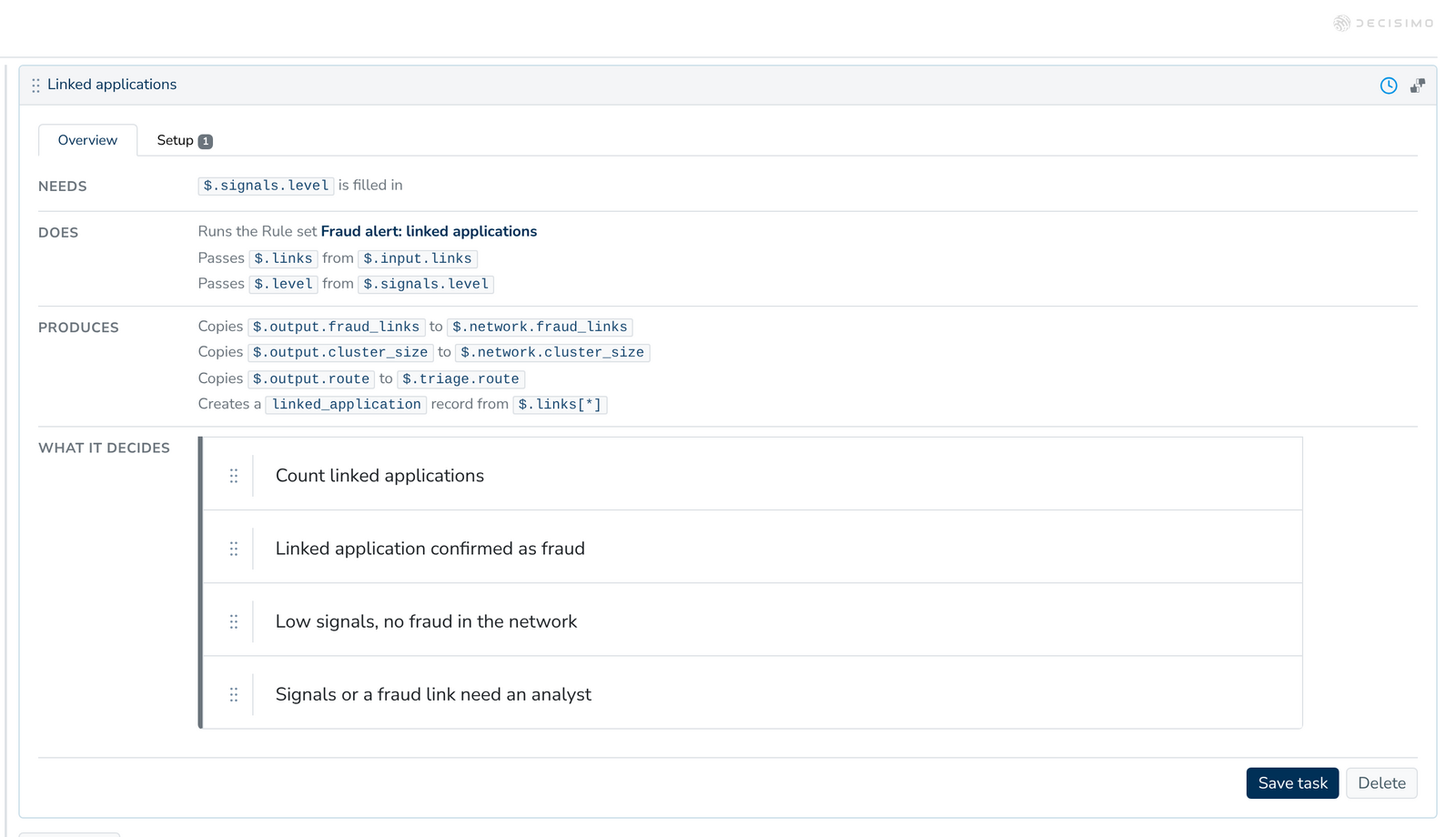
Antifraud investigation in lending: how to detect, trace, and validate risk

Fraud in lending rarely starts with a single obvious signal. It usually appears as a pattern: a concentration shift, a cluster of related entities, or a sudden change in behavior across applications and transactions. A strong anti-fraud investigation process helps teams size the case early, validate what the data shows, and decide what to do next.

8 min read

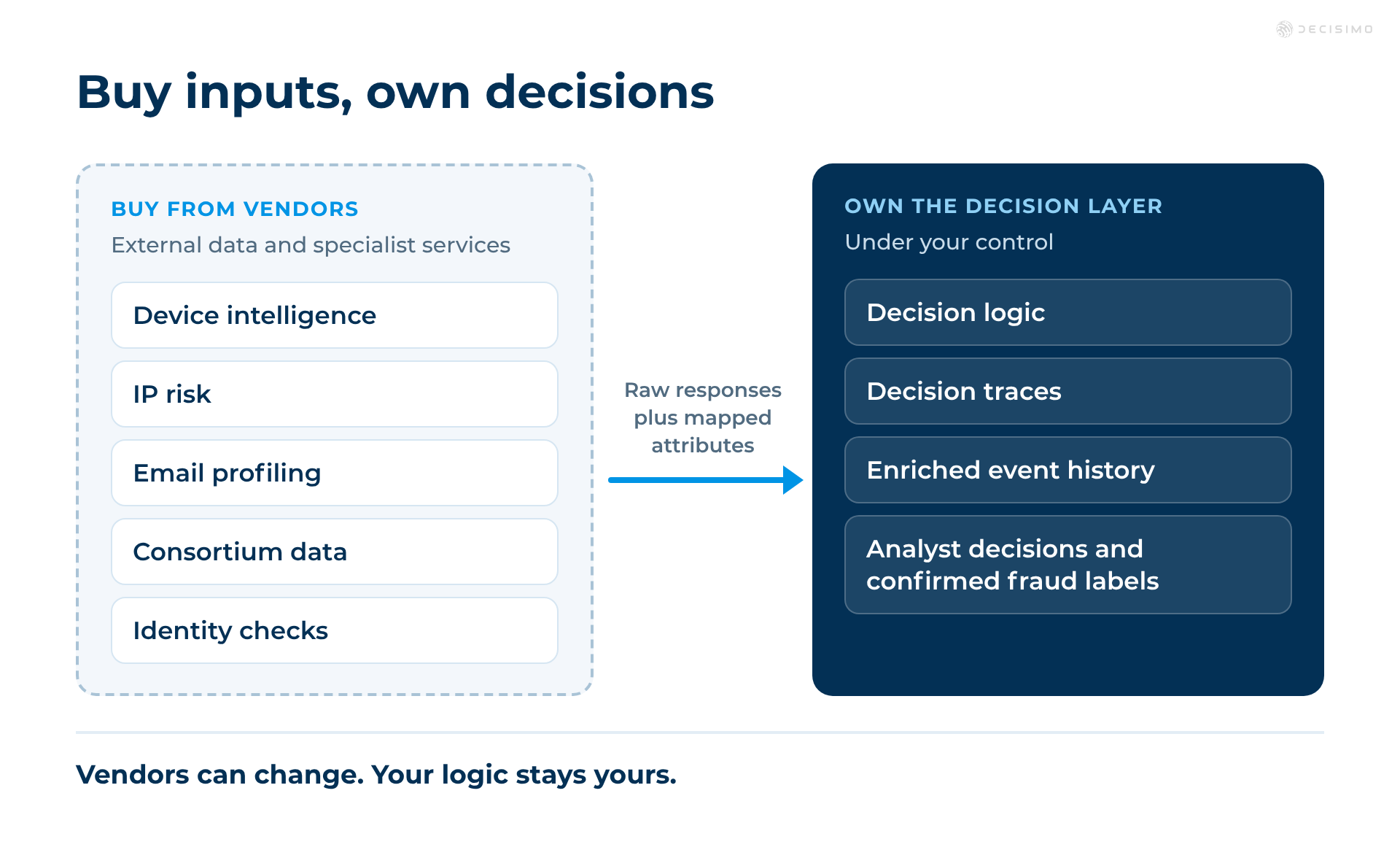
What should an anti-fraud team own and what should it buy?

Anti-fraud is not a product you install once and forget. It is an operating capability built from data, decision logic, traceability, and continuous tuning across the customer journey. Companies can buy parts of that stack, but if they outsource the core logic and enriched data, they often create a lock-in problem that is hard to unwind later.

10 min read

The True Nature of Fraud and How to Build Anti-Fraud That Works

Most anti-fraud programs focus on single bad applications, stolen identities, or suspicious transactions. That matters, but it misses the main point. The real fraud problem is not isolated opportunists. It is organized actors who treat fraud like a business, calculate return on investment, and target the weakest operators first.

10 min read