Vehicle history checks in European car finance
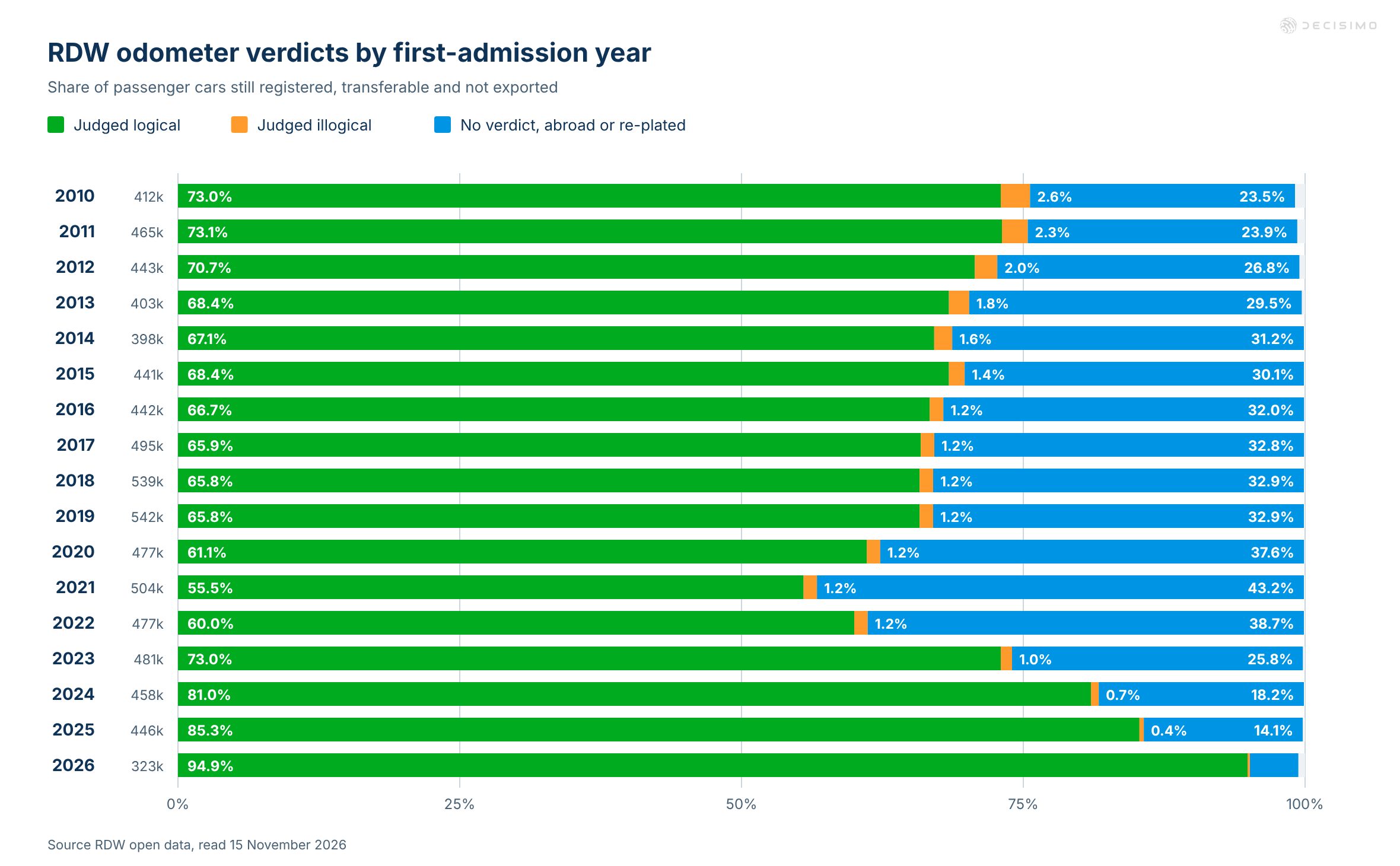
For rent-to-own and lease-to-own lenders, the vehicle is part of the credit decision. National registers can leave imported cars with no odometer verdict, so policy needs a route for unanswered facts.
Identity checks for onboarding, including KYC, KYB, email, passwords, faces and digital identity
For rent-to-own and lease-to-own lenders, the vehicle is part of the credit decision. National registers can leave imported cars with no odometer verdict, so policy needs a route for unanswered facts.
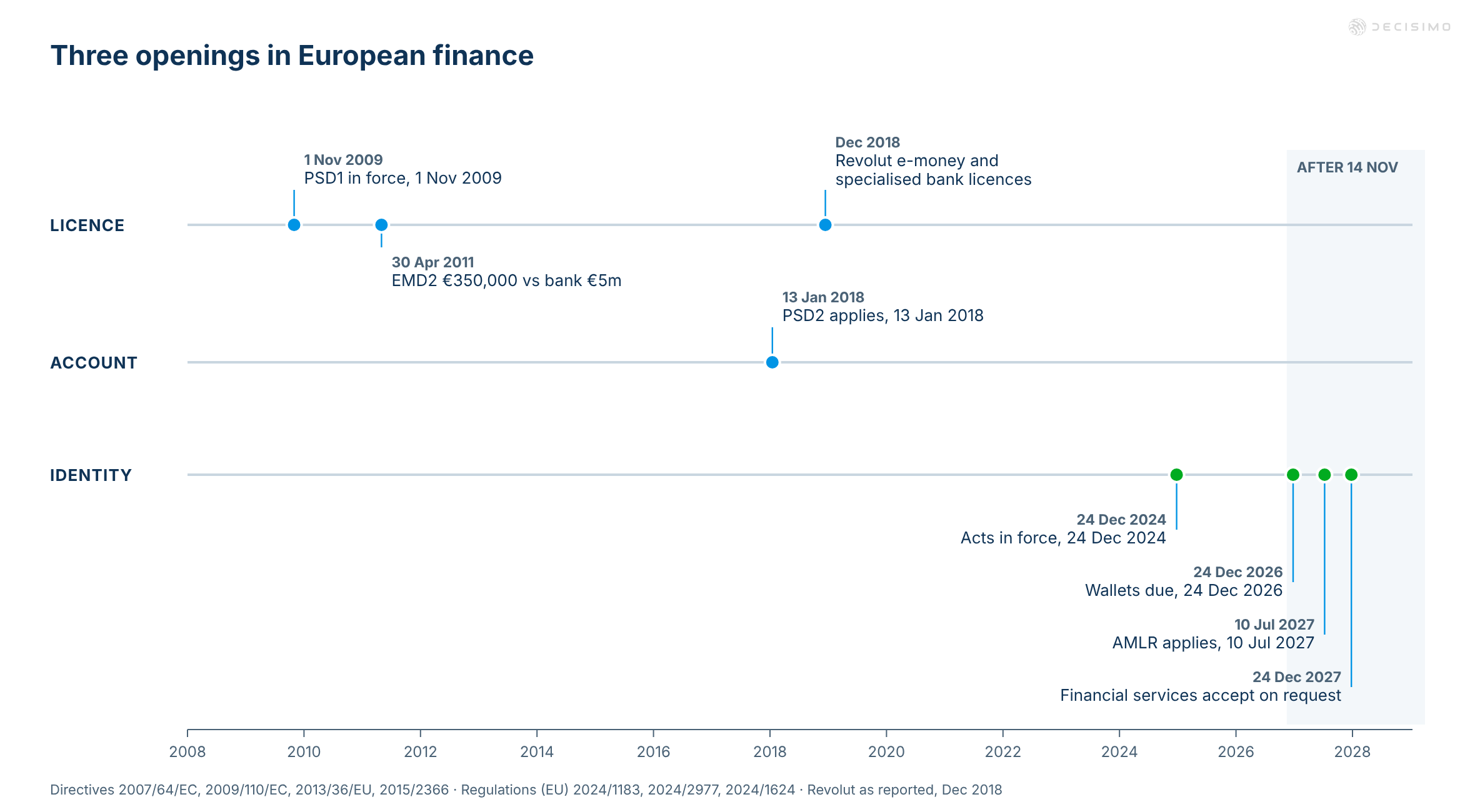
If you pay per identity check, the EUDI Wallet adds another route for applicants who ask to use it and meet the verification conditions. Its relying-party fee is still unknown, and its effect on your onboarding cost depends on which applicants can use the route and what data their checks require.
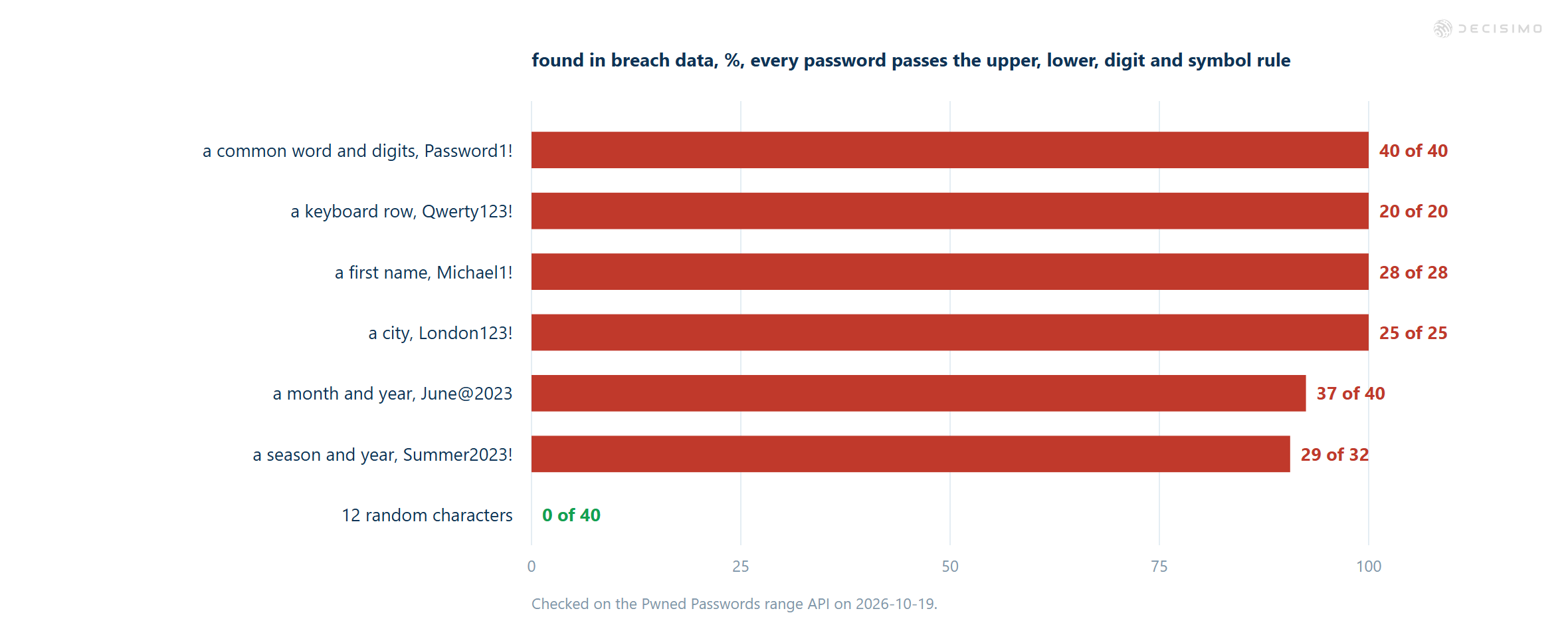
Decide what the sign-up password rule should be and what a login does when the password turns out to have leaked.
Adverse media checks catch risk that basic identity and sanctions screening can miss. The right process starts with fast flagging, then uses deeper analysis to separate real issues from false matches and unrelated names.
Fraud and identity theft target lending apps. Protecting customer data and keeping credit underwriting reliable matters. Device fingerprinting is a practical place to start.
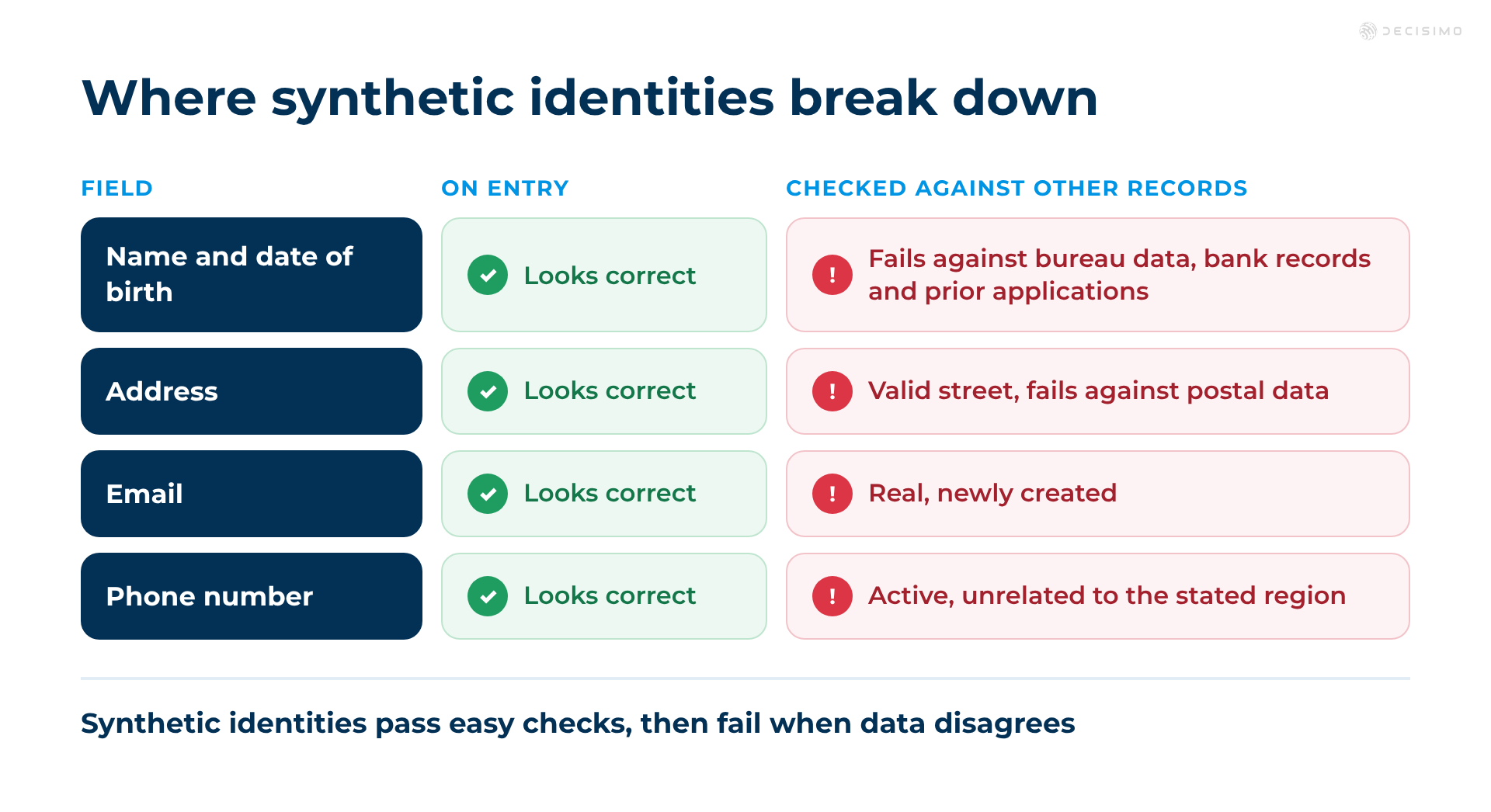
Identity fraud in consumer lending puts pressure on risk management from several angles. It increases PR exposure, fraud losses, and credit risk. It also damages customer trust and adds operational workload.
Email address profiling is a low-cost, high-signal way to assess customer quality. In fintech and insurance, it can support credit risk and actuarial ML models. By extracting username features such as first or last name presence, numbers, nickname or gibberish indicators, and Levenshtein distances, along with domain signals such as MX or WHOIS deliverability, disposable email detection, and provider type, teams can improve scoring, fraud detection, and deliverability decisions.
Deep learning has made face recognition central to remote identity verification. This article explains how online face comparison fits into onboarding, which photo types are involved such as user uploads, selfies, and liveness captures, which matching sources are used such as government identity services or ID photos, and where common validation checks reach their limits, including error level analysis, EXIF metadata inspection, and saved-quality heuristics.
Email validation often misses the difference between corporate addresses and junk. That creates false positives and false negatives. This article shows how to detect corporate domains by checking for subdomains with the SecurityTrails Subdomains API. It also outlines rules to implement that check in a rule engine.