Choosing a credit bureau in Chile: DICOM and REDEC
Chile's credit information is held in two places: private bureaus such as DICOM record listed unpaid defaults, while the CMF's REDEC records every reported obligation, paid or unpaid. DICOM drops a default when it is paid, so a clean file cannot establish that an applicant owes nothing. REDEC can show current obligations to banks, card issuers and CCAFs, but only with the applicant's prior, express consent, which lapses after 15 business banking days. You must decide how to obtain consent and which file your solvency analysis needs.
What each Chilean credit source reports
A clean private-bureau file reports no unpaid defaults within the information that bureau holds and is permitted to communicate. DICOM, TransUnion Chile and Experian Chile operate bureaus. The Boletín Comercial is a register of protests and defaults, and Sinacofi offers credit information services. REDEC is a separate register run by the CMF.
| Source | Run by | What it carries | Access |
|---|---|---|---|
| REDEC | CMF | Every reported obligation, paid and unpaid | Applicant's consent, 15 business banking days |
| DICOM | Equifax | Defaults on the art. 17 list | Contract |
| TransUnion | TransUnion Chile | Defaults on the art. 17 list | Contract |
| Experian | Experian Chile | Defaults on the art. 17 list | Contract |
| Boletín Comercial | Cámara de Comercio de Santiago | Protests and defaults | Contract |
DICOM reports defaults and REDEC reports obligations
Under Ley 19.628, private bureaus may communicate defaults from a closed list. This includes certain protested instruments and defaults on specified loans. Some debts, including utility, education, health and motorway debts, are excluded. A default must no longer be communicated after payment or once five years have passed from when it became due. The Ley 21.680 established REDEC, the consolidated register run by the CMF.
REDEC contains obligations reported to it, with their payment status. Access to an applicant’s information requires their consent. That makes the distinction practical: DICOM can show an unpaid default in its permitted categories, while REDEC can show reported obligations and whether they are paid. A clean DICOM result alone cannot tell you what the applicant owes now.
Use consent and official sources in solvency decisions
Build REDEC consent into the application before you plan to query the register. The applicant’s prior, express and unequivocal consent may be verbal, written or electronic, and you must store evidence of it. It lasts 15 business banking days. If you grant credit, consent continues for the life of the loan.
A mandatario may run the REDEC risk evaluation for a reportante. The debtor can revoke consent early through “Conoce tu Deuda,” and must be told each time consent is given or revoked.
For a specific application, query REDEC within the consent period and assess the reported obligations alongside the other required information. If consent expires before the query, obtain it again.
For consumer money-credit operations, the solvency analysis must use sufficient information from official sources. Its minimum inputs include present and foreseeable income, indebtedness and arrears. The rules restrict the use of information, including data about a person’s capacity or plans to have children and proxies for it. Give the applicant the written result of the application and solvency analysis.
| Step | The duty | Where |
|---|---|---|
| Before the REDEC query | Prior, express, unequivocal consent, stored | Ley 21.680 art. 5 |
| The analysis | Income, indebtedness and arrears, from official sources | Ley 19.496 art. 17 N, DS 53/2022 |
| The result | Written result with the reasons for a rejection | DS 53/2022 arts. 7 to 9 |
| A default record | Not after payment, not after five years | Ley 19.628 art. 18 |
| From 1 Dec 2026 | Explanation, human intervention and review of an automated decision | Ley 21.719 art. 8 bis |
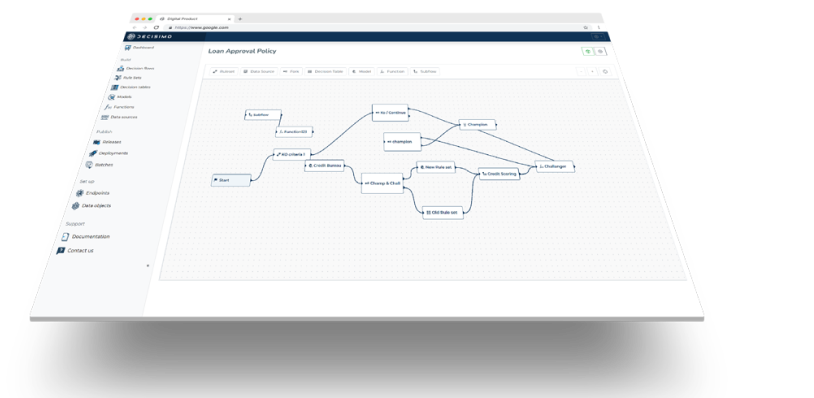
Prepare your decision flow for December changes
From 1 December 2026, private bureau files may include positive data as well as defaults. Decide how your rules will treat payment information when it appears.
From that date, rights also apply to certain decisions based on automated processing that have legal effects or significantly affect a person. An exception includes a decision necessary to enter into a contract. The law provides for an explanation, human intervention, the opportunity to express a view and a request for review. It also requires publication of the existence of automated decisions and meaningful information about their logic.
Before the change takes effect, define how your decision process will handle these requirements:
- Positive data: Decide how payment information in a private-bureau file will be used in the solvency analysis.
- Explanation: Make the logic behind a covered automated decision understandable to the applicant.
- Human intervention and review: Set out how an applicant can express their view and request review, and how a person will intervene.
- Disclosure: Prepare the required information about automated decisions and their logic for publication.
Compare a second bureau by changed decisions
A second private bureau earns its place only if the information it adds changes decisions enough to justify its cost. Compare it with REDEC and your first bureau using your own applicants, and use the consent required for REDEC access.
For each source strategy, record which applicants have a file, which results change approvals or declines, and what those changes mean for the loss per bad loan and the profit per good one. Include the price per call. One strategy to test is calling a second bureau only when the first has no file. The data source waterfall tool compares this and other ways to use sources, weighing hit rates, flagged good and bad applicants, call prices, losses and profit.
Decisimo’s data source documentation explains how multiple sources can inform a decision flow, how a data source connects to any REST API or SOAP web service, and how a failed call can route to a fallback branch like any other data source error. Use your own application results to measure how each provider performs for your applicants.
Interpret a clean bureau file with REDEC
Use a clean private-bureau file to assess listed unpaid defaults, and check the applicant’s obligations through REDEC and other required information. Before the product goes live, put the source roles and the handling of each result into your decision rules.
- Ask the applicant for REDEC consent in the application, store it, and query within 15 business banking days.
- Use REDEC to assess reported obligations and DICOM or another private bureau to check for unpaid defaults. Specify in your rules which question each file answers.
- Base the solvency analysis on income, indebtedness and arrears from official sources, and exclude inputs the regulation forbids.
- Give the applicant the written result and, if you reject the application, the reasons for the rejection.
- Account for a paid default being removed from the private-bureau file when you define what a later clean result means.
- Before 1 December 2026, prepare for positive data in private-bureau files and for the explanation, human intervention, opportunity to express a view and review concerning covered automated decisions.
- Before signing with a second private bureau, compare its contribution with REDEC and your first bureau on your applicants. Test a strategy that calls the second bureau only when the first has no file, then decide whether its additional information justifies its cost.
Questions about credit bureaus in Chile
How many credit bureaus are there in Chile?
Equifax (DICOM), TransUnion Chile and Experian Chile operate credit bureaus. The Boletín Comercial is a register of protests and defaults, Sinacofi offers credit information services, and REDEC is a separate register run by the CMF.
What is REDEC?
REDEC is the Registro de Deuda Consolidada, run by the CMF. It contains obligations reported to the register, paid and unpaid.
Do I need consent to query REDEC?
Yes. You need the applicant’s prior, express and unequivocal consent, and you must store evidence of it. It lasts 15 business banking days unless you grant credit, in which case it continues for the life of the loan.
Can someone else query REDEC on a reportante’s behalf?
A reportante may specially designate a mandatario to run the REDEC risk evaluation and notify the CMF. The mandatario cannot delegate the task, must delete the information after use, and the reportante remains liable.
Which debts do DICOM and other private bureaus not show?
Private bureaus do not show utility, education, health or motorway debts, renegotiated debts, or data accrued during unemployment.
How long does a default stay in DICOM?
A default must no longer be communicated after the obligation is paid or after five years from when it became due.
What changes on 1 December 2026?
Private bureau files may include positive data, and rights concerning certain automated decisions take effect. They include an explanation, human intervention, the opportunity to express a view and a request for review.
What must I tell an applicant I decline?
Give the applicant the written result of the application and solvency analysis, including the reasons for rejection.
