BNPL provider risks merchants should compare
A merchant choosing a buy now, pay later provider should compare approval rates first. A higher approval rate supports a better customer experience. The merchant should also look at how the provider handles collections.
The merchant pays to acquire the customer and will often want to cross-sell. Compare whether average revenue per customer has increased over the long term. A poor BNPL experience can damage the merchant’s brand because the customer connects that experience with both the lender and the merchant.
What should a merchant ask a BNPL provider about approvals and collections?
The provider affects the merchant’s customer experience and net promoter score. A reasonable provider should substantially increase the approval rate over time as it sees more data and more customer history.
For good customers, a higher approval rate can improve the customer experience. A better customer experience can often lead to increased net spend, with higher order values. The merchant should also make sure that collections are handled well and are properly organised.
What should a merchant ask about application time and pre-approved limits?
The merchant should understand the time to fill and the time to decision. These are the two metrics that matter in the customer experience. The more fields an applicant must complete, the higher the drop-off can be.
The approval rate affects drop-off, but the merchant should also ask how much time the application takes and how many fields customers must complete before they can purchase. If someone fills in an application form and then waits 5, 10 or 20 minutes for a decision, the delay may annoy the customer.
The merchant should also ask how many customers already have a pre-approved limit.
How does the BNPL provider handle each stage of collections?
Customers will often think, “I bought an iPhone using buy now, pay later at this merchant, and it was a terrible experience.” They may connect that experience with the merchant when collections calls them repeatedly, treats them badly, or calls their family.
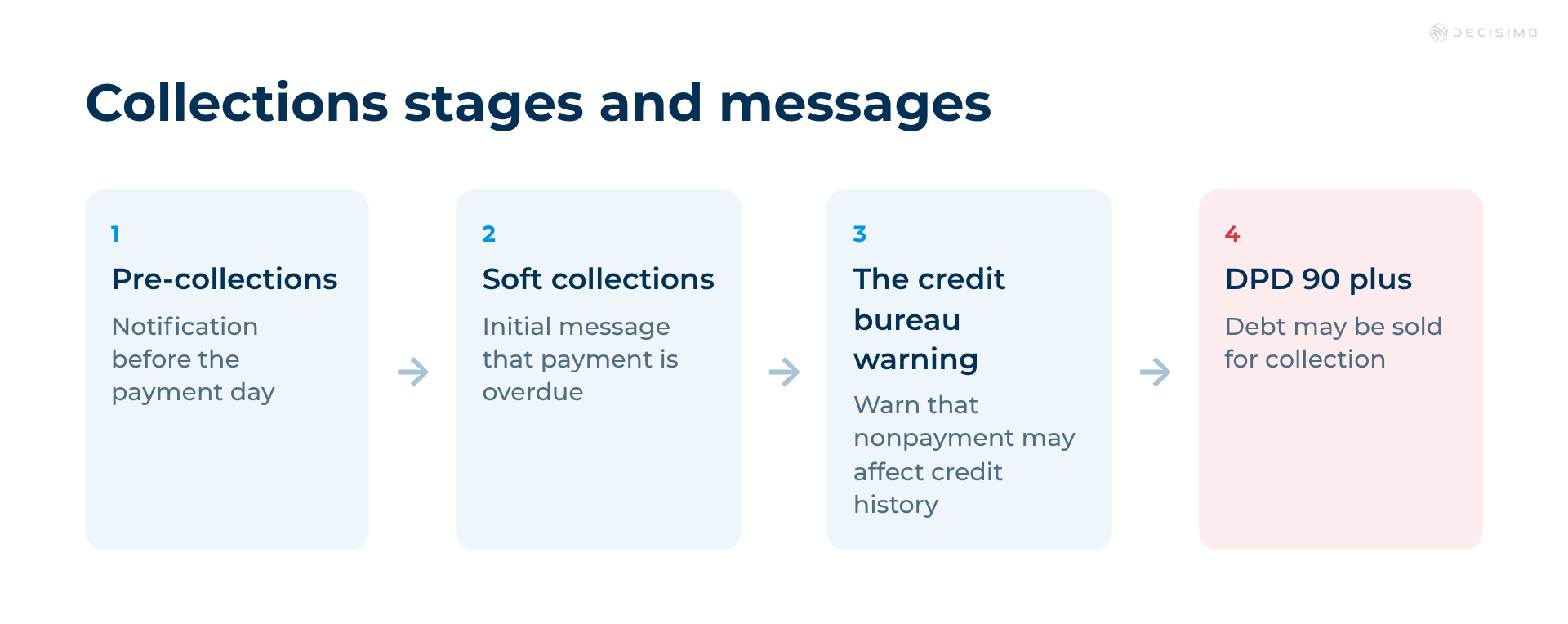
A merchant should ask about the stages of collections. Ask whether the provider uses pre-collections and whether the merchant can cooperate on the messaging.
Pre-collections means sending a notification before the payment day. Soft collections is the initial message telling a customer they are overdue. The next messaging usually explains, “If you do not repay, you will be reported to a credit bureau.”
Can the BNPL provider report missed payments to a credit bureau?
Credit bureaus do not allow buy now, pay later reporting in every country. In most countries, however, this is starting to become standard practice. The UK is currently pushing it.
This matters during collections. Telling a customer that non-payment can affect their credit history makes the message more serious.
A merchant will usually be better served by a lender that can report to a credit bureau. Collections are then more structured.
What fraud data should a merchant share with a BNPL provider?
A merchant should make sure fraud is handled properly. When fraud occurs, lenders may demand a great deal of data from the merchant. The merchant should collaborate openly and provide as much data as possible. The lender should also ask the merchant for as much data as possible, so it can understand concentrations and related patterns.
The merchant should expect to share purchase history, delivery addresses, account age, previous purchase amounts, and whether a purchase falls within the customer’s usual range. The lender should ask for this history as part of the fraud review.
Spending patterns matter too. The merchant should share how long the account has existed, along with the IP addresses and locations used to access it. Fraudsters may take over established accounts when they realise that the merchant and BNPL provider cooperate. They can then use the account’s history for fraudulent purchases.
The merchant may also set up device fingerprinting and browser fingerprinting, then share those fingerprints with the lender. In most countries, this kind of data sharing is allowed for anti-fraud protection. When a customer selects BNPL, the customer should authorise the sharing of this data.
What happens to overdue debt when the BNPL provider sells it?
A merchant should ask how the provider handles collections at each stage. The merchant can explain its own approach and compare it with the provider’s. This should include whether the provider makes home visits and what happens when a debt remains unpaid.
At DPD 90 plus, a provider may stop collecting because it is not profitable. It may then sell the debt to a company in the market for it.
This can affect the merchant’s brand. The collection agencies or companies handling the debt may be harsh when they contact customers.
Does the BNPL provider show enough maturity in risk and collections?
You should make sure the maturity of the risk and the business is there, or that the provider has at least committed to reaching it. You can assess this by asking the questions covered in this article.
If the lender does not ask about additional data, it does not understand the topic. A lender that takes risk seriously should have a collection strategy and be able to answer questions about it. The provider’s ability to discuss these topics shows whether it treats risk seriously.
Questions about BNPL provider risk
How should a merchant compare approval rates and application time?
A merchant should compare approval rates, time to fill, and time to decision. It should also ask how many fields customers must complete and how many customers already have a pre-approved limit.
What should a merchant ask about collections?
A merchant should ask whether the provider uses pre-collections and whether the merchant can cooperate on the messaging. The collections path may include payment notifications, overdue messages, credit bureau warnings, and possible debt sale.
What fraud data should a merchant share with a BNPL provider?
The merchant should expect to share purchase history, delivery addresses, account age, previous purchase amounts, IP addresses, locations, and device and browser fingerprints. The customer should authorise this data sharing when selecting buy now, pay later.
What should a merchant ask about missed payments and overdue debt?
A merchant should ask whether the provider can report missed payments to a credit bureau and what happens when a debt remains unpaid. At DPD 90 plus, the provider may stop collecting and sell the debt to another company, whose approach can affect the merchant’s brand.
